
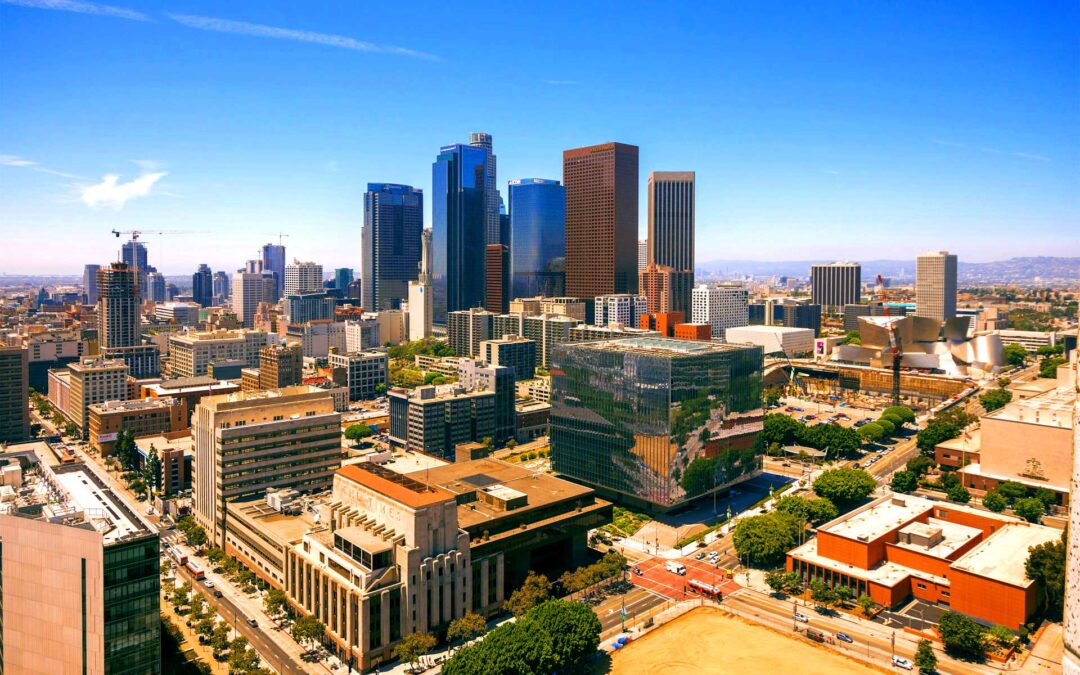
Southern California’s climate is one of its most defining features and is known for abundant sunshine, mild winters, coastal breezes, and periodic heat waves. While these conditions attract residents and businesses alike, they also present unique opportunities and challenges for commercial architecture and building design. From energy efficiency to occupant comfort, the region’s climate plays a significant role in shaping how commercial buildings are planned, constructed, and operated.
Taking Advantage of the Sun — and Protecting Against It
Southern California enjoys more than 280 sunny days per year. That’s great for natural light and great for heat gain, but not so great if it isn’t controlled. Effective design strategies include:
Solar Orientation: Architects optimize building orientation to maximize natural daylight while reducing direct sun exposure during the hottest parts of the day.
Shading Devices: Overhangs, louvers, and sunshades are common features to protect façades and windows from intense midday sun.
High-Performance Glazing: Tinted or low-emissivity (low-E) glass lets in light while minimizing heat transfer, improving comfort and reducing cooling loads.
Prioritizing Cooling Efficiency
While Southern California rarely sees extreme cold, it regularly experiences warm to hot temperatures, especially inland. Cooling commercial buildings efficiently is therefore a design priority. Key approaches embrace:
Efficient HVAC Systems: Designing systems that can adapt to variable occupancy and outside temperatures helps keep costs down and comfort up.
Thermal Mass: Materials like concrete and stone absorb heat during the day and release it at night, helping stabilize indoor temperatures.
Roof Design: Cool roofs with reflective coatings or green roofing systems lower heat absorption, cutting cooling demand and urban heat island effects.
Harnessing Coastal Breezes and Ventilation
Southern California’s coastal areas benefit from reliable sea breezes, a natural asset for passive cooling and ventilation. Ventilation strategies involve:
Cross-Ventilation: Aligning windows and openings to allow breezes to flow through interiors helps reduce reliance on mechanical cooling.
Operable Windows: Where air quality considerations allow, operable windows let occupants engage natural ventilation.
Atriums and Courtyards: Internal open spaces can funnel breezes deep into buildings, improving comfort and lowering energy use.
Managing Low Rainfall and Storm Variability
Southern California has a Mediterranean climate marked by dry summers and wetter winters, with occasional heavy storms. Water-Sensitive design comprises:
Rainwater Harvesting: Capturing and reusing rainwater for irrigation or non-potable uses conserves resources in a drought-prone region.
Permeable Surfaces: Parking lots and walkways made with permeable materials reduce runoff and recharge groundwater.
Stormwater Planning: Designing drainage that handles sporadic heavy rainfall protects buildings and landscapes from erosion and flooding.
Resilience to Wildfire Smoke and Heat Waves
In recent years, wildfires have become more frequent and widespread in California, bringing smoke, poor air quality, and ash into urban areas. Resilient design elements incorporate:
Advanced Filtration: HVAC systems with high-efficiency filters help maintain healthy indoor air when outdoor air quality deteriorates.
Sealed Building Envelopes: Tight seals around windows, doors, and penetrations reduce smoke infiltration.
Heat-Ready Spaces: Designing areas with reliable cooling and clean air access supports occupant wellbeing during heat waves.
Aesthetic and Cultural Influences
Southern California’s climate shapes not just the technical side of design, but the aesthetic and cultural identity of buildings. Influences include:
Indoor-Outdoor Integration: With mild weather year-round, courtyards, terraces, and outdoor workspaces are common in commercial projects.
Shading Landscaping: Trees and drought-tolerant plantings provide natural shade and contribute to comfort and sustainability.
Materials Choice: Light-colored exteriors minimize heat absorption and reflect the region’s sunny character.
In Southern California, climate is not just a backdrop, it is a design partner. Architects and developers must work with sunshine, breeze, heat, drought, and fire risks to create buildings that are efficient, comfortable, resilient, and beautiful. By thoughtfully responding to the region’s unique weather patterns, commercial buildings can perform better environmentally and serve their occupants more effectively.
CREED LA is a non-profit alliance of labor focused on environmental development plans that conform to state and local laws in Southern California.