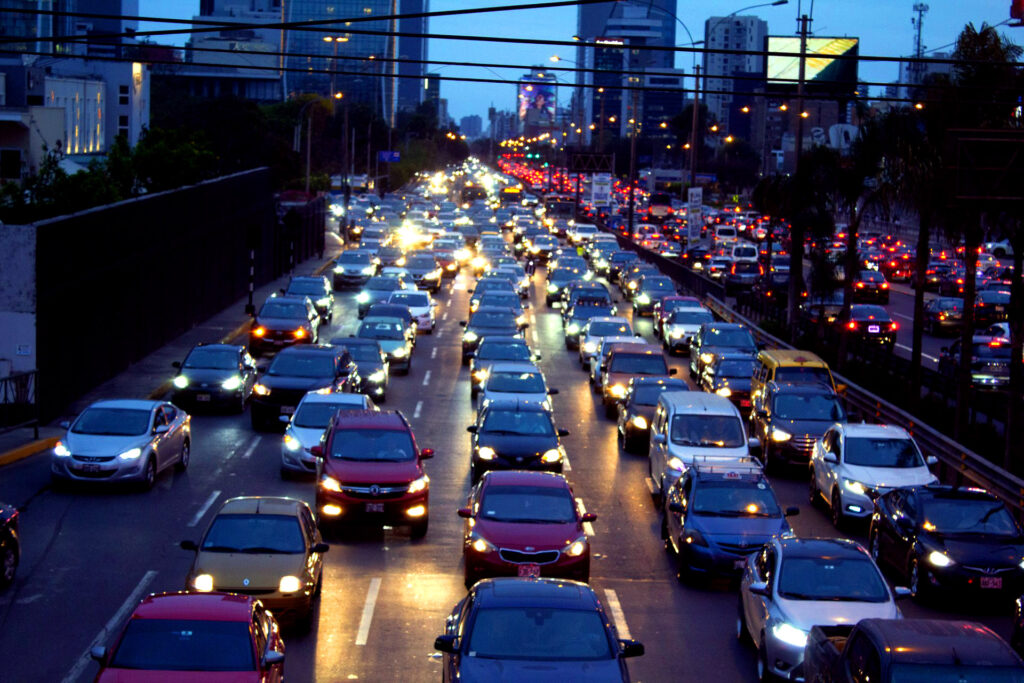
Building a Better Environment in the Construction Industry: What is the Role of Environmental Economists?
As the world becomes increasingly aware of the daily impact that human activity has on the environment, new schools of thought have been developed to better fit environmental considerations into the way we live our lives and conduct our business. Environmental…

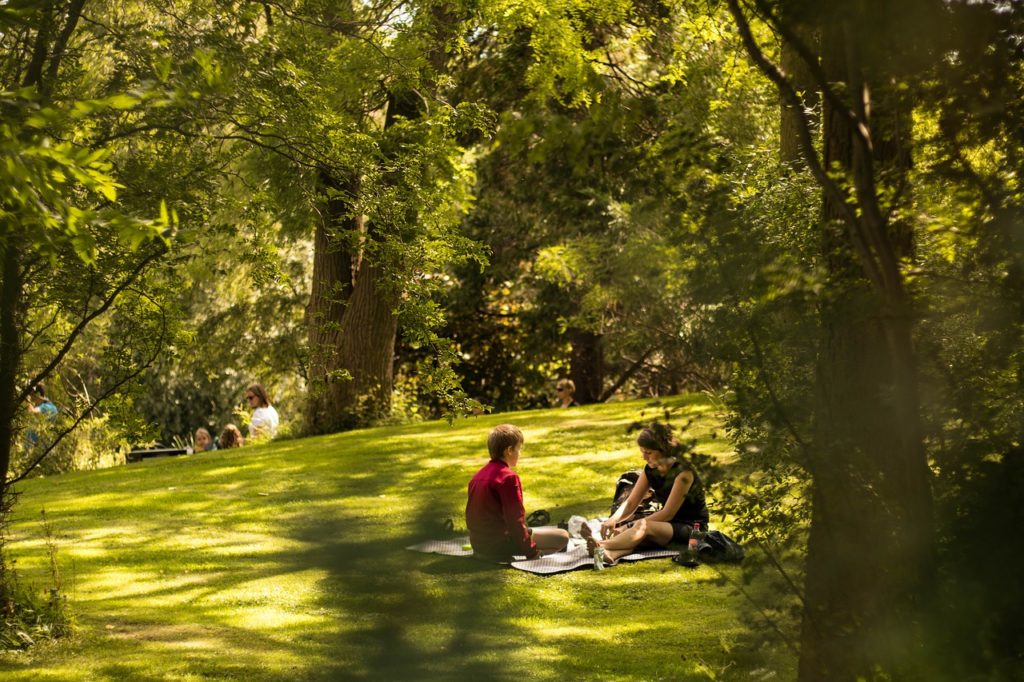
What Are Urban Forests And Why Should We Protect Them?
When it comes to sustainability and urban planning, not everyone understands the importance of caring for urban forests. However, they play a major role in improving people’s physical and mental health as well as bringing many other benefits to cities. What Is An…
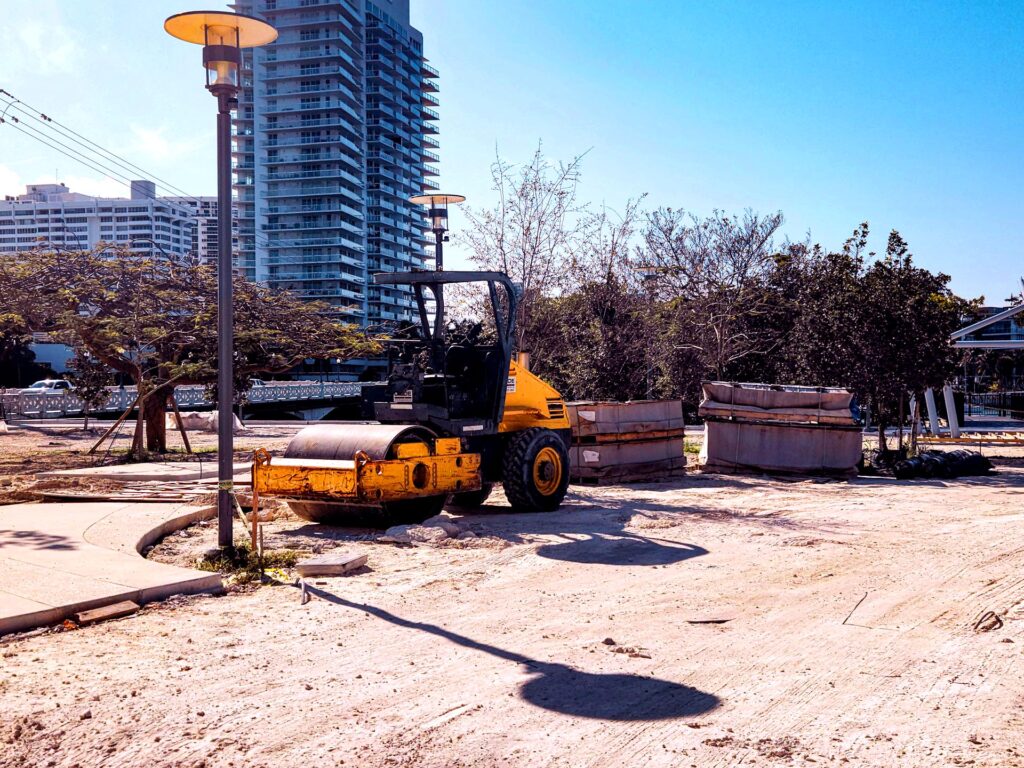
How Land Recycling Can Help Save the Environment
It’s no secret that urban development can be a hazard to the environment. In some cases, the past activities that occurred in a space can end up threatening the local ecosystem, food and water provision, climate regulation, and recreation . Land recycling can…
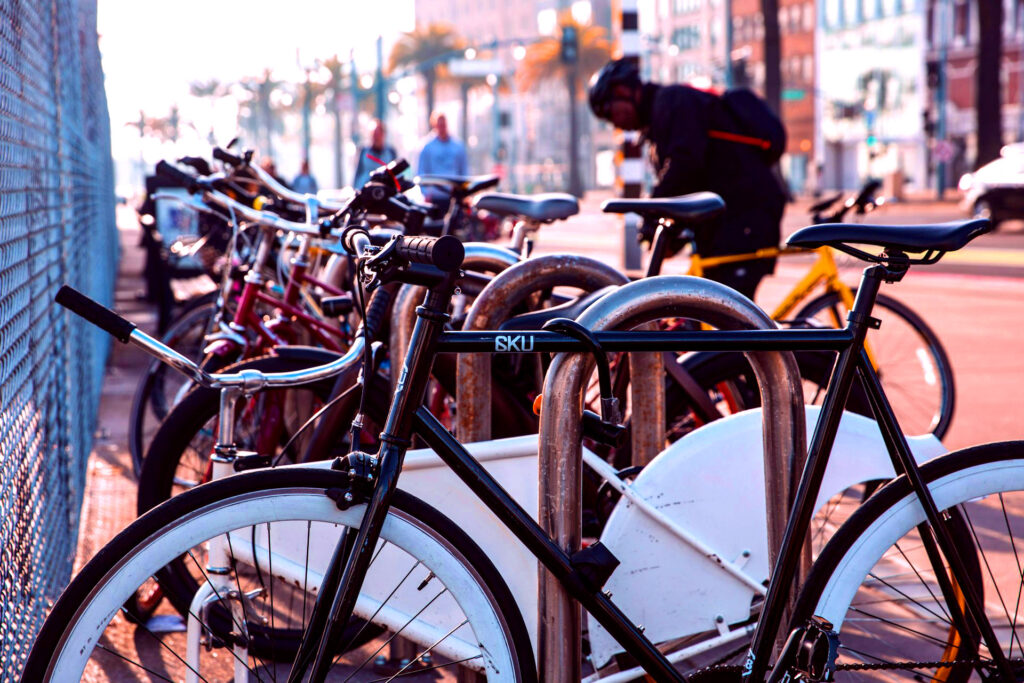
How Can Urban Planning Make Cities More Bike-Friendly?
Biking is growing in popularity, and it’s no wonder. Urban cycling is an active, healthy mode of transportation, and it’s significantly more environmentally friendly than driving. In fact, in the last decade, the number of people who travel to work by bicycle has…
Car Sharing And Other Ideas To Reduce Traffic Congestion
Traffic congestion is one of the most common urban issues.. Nobody likes to waste time stuck in a traffic jam while the honking symphony plays outside. The problem not only affects productivity and increases stress, but it also harms the environment. According to the…