
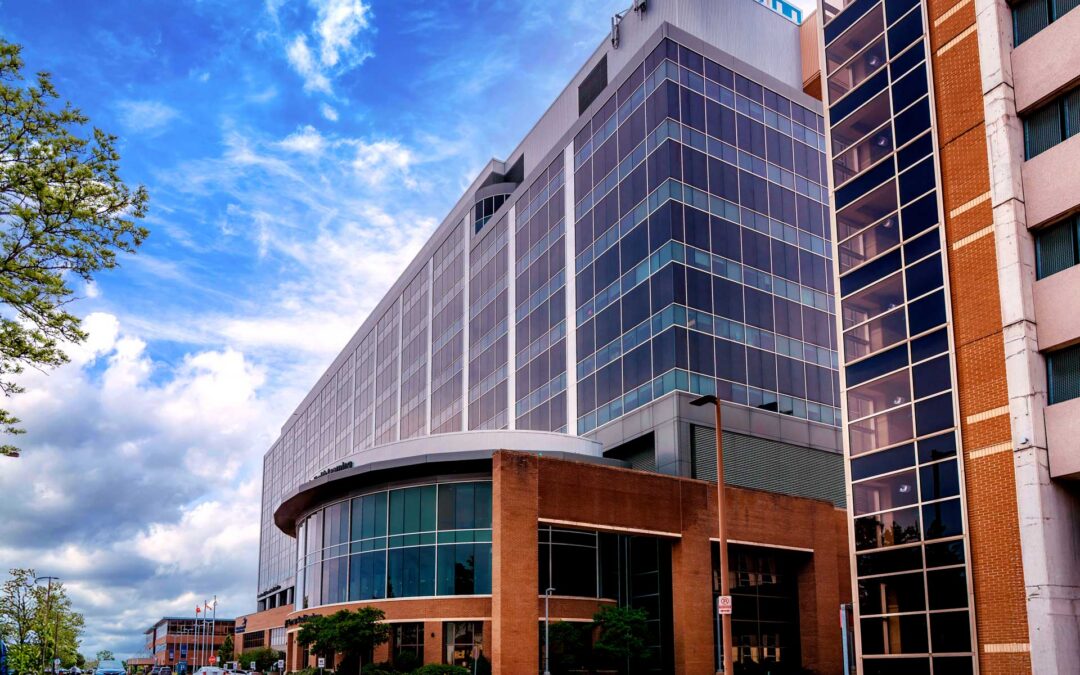
Southern California is home to some of the nation’s most advanced hospitals, outpatient clinics, surgical centers, and specialty medical facilities. As the region’s population continues to grow and healthcare technology evolves, the demand for modern, patient-centered medical buildings is increasing. However, constructing healthcare facilities is far more complex than building traditional commercial spaces. Every project must meet rigorous regulatory requirements while supporting patient safety, operational efficiency, and future medical innovations.
Strict Codes and Regulatory Compliance
Healthcare construction in Southern California is governed by some of the country’s most demanding building regulations. Hospitals and medical facilities must comply with California Building Standards Code requirements, seismic safety regulations, fire protection standards, accessibility requirements under the Americans with Disabilities Act (ADA), and strict infection control protocols.
California’s earthquake-prone environment makes seismic design a top priority. Structural systems, medical gas infrastructure, electrical systems, and emergency power supplies must remain operational during and after seismic events. These requirements often exceed those found in traditional commercial construction projects.
Contractors must also coordinate inspections, permitting, and approvals throughout every phase of construction to ensure complete regulatory compliance before a facility can open.
Infection Prevention During Construction
Unlike many commercial projects, healthcare construction often takes place while hospitals remain fully operational. Renovations and expansions must minimize disruption to patients, physicians, and healthcare staff.
Construction teams implement Infection Control Risk Assessment (ICRA) procedures that help prevent dust, airborne contaminants, and noise from affecting patient care. Temporary containment walls, specialized air filtration systems, negative air pressure environments, and carefully planned work schedules reduce risks throughout the project.
Safeguarding defenseless patients is just as important as completing the construction itself.
Specialized Building Systems
Healthcare facilities rely on highly sophisticated mechanical, electrical, and plumbing (MEP) systems that go far beyond standard commercial requirements. These systems may include:
- Medical gas delivery systems.
- Redundant electrical power and backup generators.
- Advanced HVAC systems with specialized filtration.
- Nurse call and communication systems.
- Sterile water distribution.
- Imaging equipment infrastructure.
- Laboratory ventilation systems.
Every component must function together seamlessly while allowing for future technological upgrades as medical equipment continues to evolve.
Patient-Centered Design
New healthcare construction emphasizes improving the overall patient experience. Today’s facilities are designed to reduce stress, promote healing, and support efficient care delivery.
Design features often include:
- Larger patient rooms.
- Abundant natural lighting.
- Comfortable family waiting areas.
- Easy wayfinding throughout the facility.
- Quiet mechanical systems.
- Outdoor healing gardens.
- Flexible treatment spaces.
These design elements not only improve patient satisfaction but also contribute to better clinical outcomes and staff productivity.
Sustainability and Energy Efficiency
Southern California healthcare facilities increasingly incorporate sustainable construction practices that reduce operating costs while supporting environmental goals.
Many new projects pursue LEED certification and integrate energy-efficient lighting, water-saving plumbing fixtures, solar energy systems, high-performance building envelopes, and smart building automation technologies.
Because hospitals operate around the clock, improving energy efficiency can generate substantial long-term savings while reducing environmental impact.
Planning for Future Healthcare Needs
Healthcare continues to evolve rapidly. Telemedicine, robotic surgery, artificial intelligence, and advanced diagnostic technologies require facilities that can easily adapt to changing clinical practices.
Flexible floor plans, modular infrastructure, expandable utility systems, and technology-ready spaces allow healthcare organizations to upgrade equipment and services without major structural renovations.
Forward-thinking construction helps facilities remain competitive while extending the useful life of the building.
The Bottom Line
Healthcare construction in Southern California requires specialized expertise, meticulous planning, and a deep understanding of complex regulatory requirements. From seismic resilience and infection prevention to advanced building systems and patient-centered design, every decision directly impacts safety, operational performance, and quality of care.
Partnering with an experienced healthcare construction contractor ensures medical facilities are delivered safely, efficiently, and in full compliance with California’s demanding standards. The result is a resilient, future-ready healthcare environment that supports exceptional patient care while meeting the evolving needs of one of the nation’s largest and most dynamic healthcare markets.
For more information on Creed LA’s continuing endeavors to positively impact your community, visit https://creedla.com.